Nearly 1 in 4 seniors lives alone. Learn practical safety tips, what to do in an emergency, and how fall detection technology keeps you protected at home.
For the 16 million seniors living alone in the U.S., independence is a prized possession. But with that freedom comes a quiet vulnerability. A sudden fall in the kitchen, a missed dose of medication, or a medical emergency in the middle of the night can become a crisis when there is no one there to help. The fear of "what if" can be a constant, low-grade anxiety for both seniors and their family members.
This guide offers practical, no-nonsense safety tips for seniors living alone. It is not about fear. It is about empowerment. By taking a few proactive steps, you can create a safe environment that allows you to live confidently and independently in the home you love.
The Real Risk
The numbers paint a clear picture. More than one out of four older adults falls each year, but less than half ever mention it to their doctor. A 2023 study found that seniors living alone have a significantly higher incidence of falls compared to those living with others. When a fall happens, every second matters. A person who gets help within an hour is much more likely to survive and return home.
The risk is not just about falls. It is about the silent health issues that can escalate without warning. An irregular heartbeat, a sudden spike in blood pressure, or a dangerous medication interaction can all lead to an emergency. For the nearly 50% of women over 75 who live alone, these risks are a daily reality. Yet, despite the clear and present dangers, fewer than 10% of seniors use any form of safety technology like a medical alert device.
A Practical Safety Checklist
Use this checklist to make your home a safer place to live. These are simple changes that can make a big difference.
Clear the pathways. Walk through your home and remove anything you could trip over. This includes stacks of newspapers, loose electrical cords, and small pieces of furniture. Pay special attention to high-traffic areas like the path from your bedroom to the bathroom.
Secure all rugs. Throw rugs are a major tripping hazard. If you must have them, use double-sided tape or a non-slip backing to make sure they are secure. Better yet, remove them entirely.
Improve your lighting. A well-lit home is a safer home. Add nightlights in hallways, bathrooms, and bedrooms. Make sure you have a lamp or light switch within reach of your bed.
Make your bathroom safer. Install grab bars in the shower and next to the toilet. Use a non-slip mat in the bathtub or shower. A shower chair can also provide extra stability.
Keep emergency numbers handy. Post a list of emergency contacts on your refrigerator and save them as favorites in your phone. Include family members, neighbors, and your doctor.
Consider a personal emergency response system. This is the single most important step you can take to protect yourself. A modern senior safety app on your smartphone or a dedicated device can automatically detect a fall and call for help, even if you are unconscious.
When It Becomes an Emergency
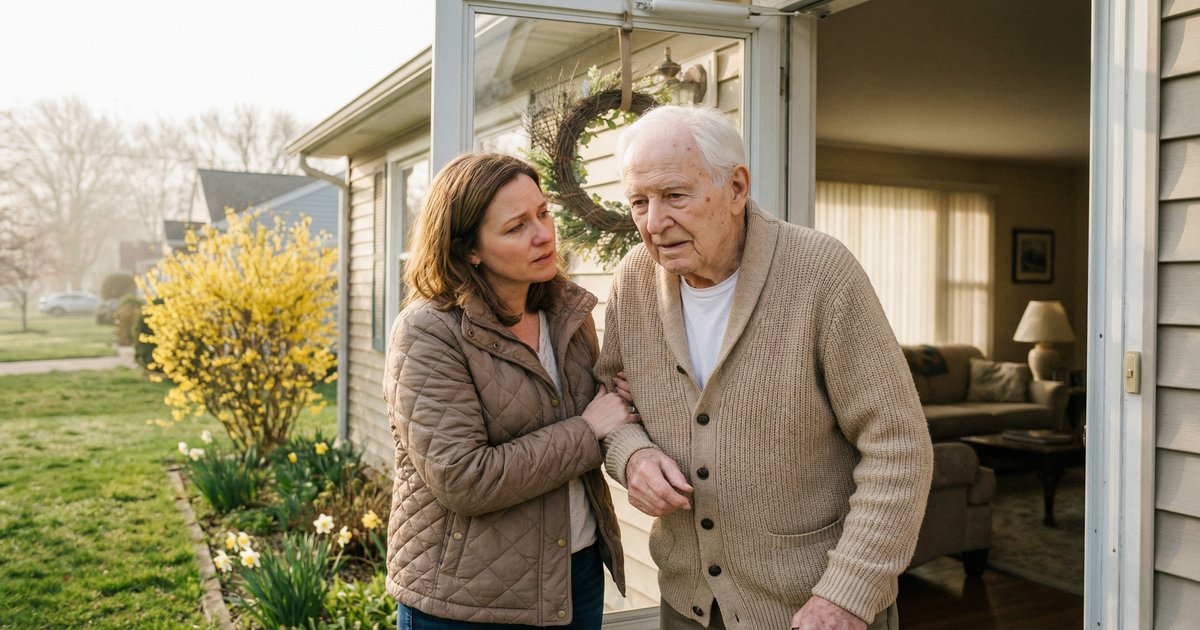
Imagine this: you are getting out of the shower and you slip. You hit your head on the tile floor and are unable to get up. You are alone. Your phone is in the other room. What happens next?
This is not a scene from a movie. It is a real-life scenario that plays out in homes across the country every day. Without a reliable way to call for help, a simple fall can become a life-threatening event. The fear of this exact situation is what keeps many seniors from living alone, and it is a constant source of worry for their children.
How MySentry Helps
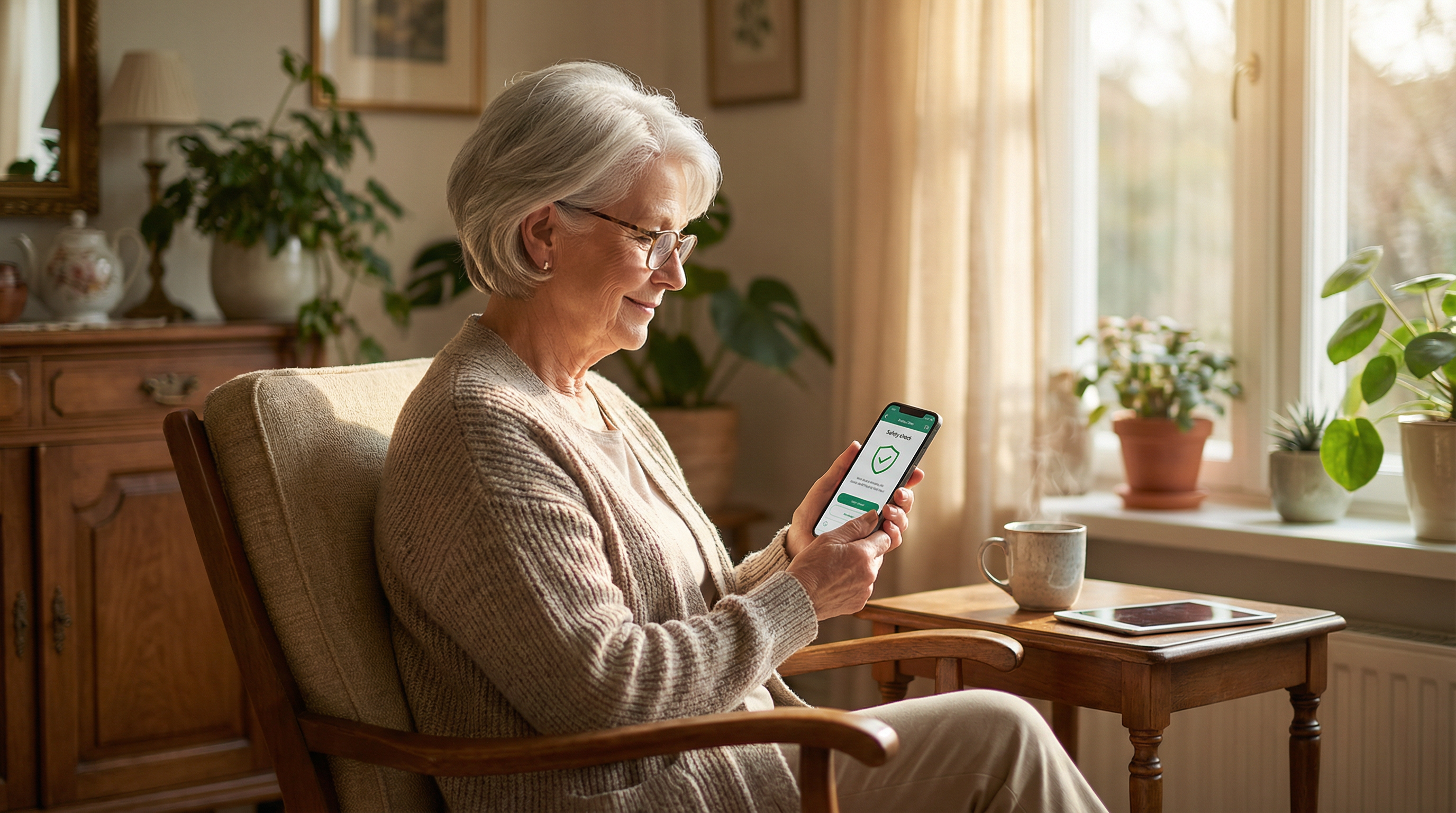
MySentry was designed for this exact moment. It turns your existing smartphone and smartwatch into a powerful personal emergency response system. There is no need for a separate, clunky device. It works quietly in the background, providing a safety net without intruding on your life.
With automatic fall detection, MySentry can sense a fall and immediately trigger an alarm. If you do not respond, it automatically alerts your emergency contacts and our 24/7 professional monitoring team. We share your location, your health data, and even live audio and video from the scene with first responders, so they know exactly what is happening and where to find you. This is how it works.
For family members, MySentry provides peace of mind. You can check in on your loved one's location and health status through the app, and you will be the first to know if there is an emergency. It allows you to be a supportive son or daughter, not a full-time caregiver. You can compare MySentry to other solutions and see our plans to understand the full range of features like fall detection.
Key Takeaways
Living alone as a senior requires a proactive approach to safety.
Simple home modifications can significantly reduce your risk of falling.
A personal emergency response system is a critical tool for anyone living alone.
The speed of response is the most important factor in the outcome of an emergency.
Modern technology like MySentry can provide a seamless, effective safety net for seniors living alone.
Dedicated to bringing you the latest insights on safety, health, and independence.
Experience True
Peace of Mind
Join thousands of others who have reclaimed their independence with MySentry.
Start 7-Day Free Trial