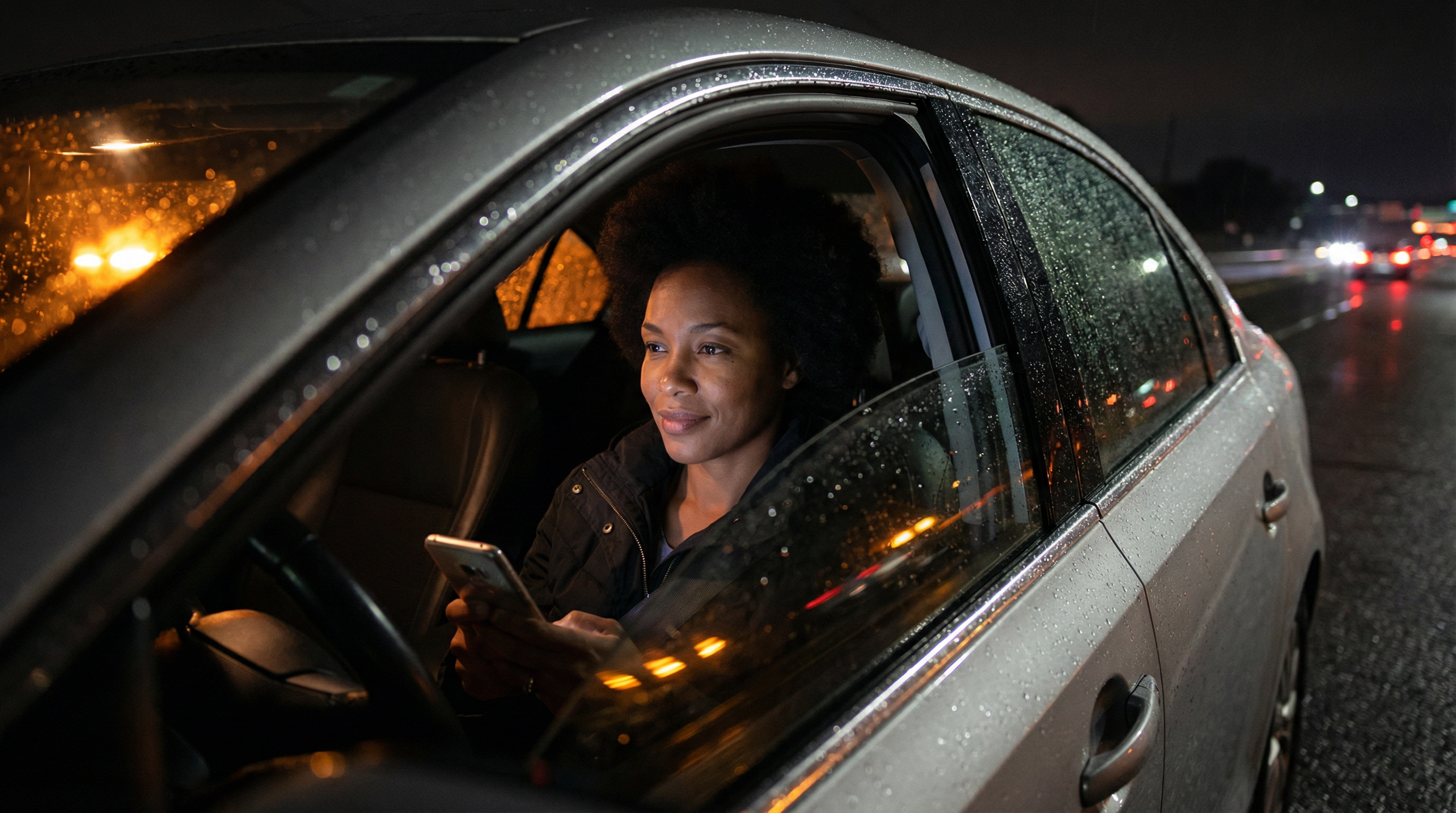
Walking alone at night is the number one safety fear for women. Here are practical, no-nonsense tips to stay safe and confident on any route.
The evenings are getting longer. After months of early sunsets and cold commutes, the pull to walk home, grab a coffee, or meet friends after dark feels natural again. But for many women, that walk comes with a familiar weight. A 2025 national survey found that 67% of women identify walking alone at night as their single greatest safety fear, ahead of traveling in unfamiliar areas (55%) or navigating parking garages (42%). That number reflects something real: the mental load of constant vigilance, the route adjustments, the keys held a certain way.
This guide doesn't pretend that fear away. It gives you something more useful: a set of habits that actually work, and a clear picture of what to do when something goes wrong.
The Real Risk
The risk isn't uniform. A woman walking home from a late shift along a well-lit commercial strip in Chicago faces a different situation than someone cutting through an unlit park path in a suburb at 11 p.m. Context matters. But the data is consistent: 38% of women take precautionary measures every single day to feel safe, and 32% have been in situations where they felt unsafe but couldn't reach anyone for help.
Spring and summer sharpen this exposure. Longer evenings mean more time spent outdoors after dark, more post-work walks, more late-night social outings. The same survey found that women in the West report the highest anxiety about outdoor exercise (19%) and social venues (35%). More daylight hours doesn't automatically mean more safety.
A Practical Safety Checklist
These habits take less than five minutes to build into your routine.
Plan your route before you leave. Use a map app to preview the path. Stick to streets with consistent lighting and foot traffic. Avoid shortcuts through parks or alleys, even familiar ones, after dark.
Tell someone your plans. A quick text with your destination and expected arrival time is enough. If you miss a check-in, they know to follow up. Seventy percent of women already do this by texting or calling a friend.
Keep your phone charged and accessible. Not buried at the bottom of a bag. A phone at 8% battery that takes 30 seconds to unlock is not a safety tool.
Lower your earbuds or remove them. Music or a podcast is fine. But if you can't hear footsteps or a car pulling up beside you, you've lost your most reliable early-warning system.
Walk with your head up. Confidence is visible. Looking at the ground signals distraction. Looking ahead, making brief eye contact, and moving at a steady pace communicates awareness.
Trust discomfort. If a street feels wrong, it probably is. Step into a pharmacy, a restaurant, or any open business. You don't owe anyone an explanation for changing your route.
Have a plan for getting help fast. Know how to trigger an alarm on your phone or watch without unlocking it. Practice it once so it's muscle memory.
When It Becomes an Emergency
Most evenings are uneventful. But the 32% of women who have been in a situation where they couldn't reach help know that emergencies don't announce themselves. A twisted ankle on a dark street. A confrontation that escalates faster than expected. A medical episode with no one nearby.
In these moments, the gap between "I feel unsafe" and "help is on the way" is the thing that matters most. Shouting for help works in some situations. Calling 911 works if you have time and signal. But neither is guaranteed.
How MySentry Helps
MySentry turns your phone or smartwatch into a 24/7 safety device that works even when you can't make a call. If you feel threatened, a single tap or voice command triggers the Panic Alarm, which immediately alerts your chosen emergency contacts and MySentry's 24/7 monitoring team with your live location. If you fall and don't respond within 30 seconds, Fall Detection escalates the alert automatically. Your contacts receive your GPS coordinates, battery level, and a live video feed so they know exactly what's happening and where you are.
You can set up to five emergency contacts and customize who gets notified first. The app runs quietly in the background on your existing iPhone or Android device, so there's no extra hardware to carry. For women who want a discreet option, the MySentry watch integration means the alarm is always on your wrist.
See how the full system works on the How It Works page, or compare features against other safety apps on the Compare page. If you're looking for safety tools built specifically for women, the Females page covers everything MySentry offers for your situation. And if you want to understand the full feature set before committing, Features and Pricing are the best places to start.
Key Takeaways
Walking alone at night is the top safety concern for women in the US, affecting daily routines for 38% of women.
Practical habits like route planning, phone accessibility, and trusting your instincts reduce risk without restricting your life.
The gap between feeling unsafe and getting help is where technology makes the biggest difference.
MySentry's Panic Alarm, Fall Detection, and emergency contact system work together to close that gap.
You don't need new hardware. MySentry works on the phone and watch you already own.
Spring and summer evenings bring more opportunity and more exposure. Having a plan before you need it is the point.
Start your 7-Day Free Trial and walk with confidence tonight.
Dedicated to bringing you the latest insights on safety, health, and independence.
Experience True
Peace of Mind
Join thousands of others who have reclaimed their independence with MySentry.
Start 7-Day Free Trial